 Proudly Canadian Since 1967

Eye floaters are small specks or strands that drift across your vision, and most are harmless.
Have you ever noticed something crossing your field of vision that looks like a little spot, speck, string or web? The little speck seems to drift or float about as you move your eyes, but when you try to look directly at it, it’s gone? These are called “eye floaters” and they could be cause for a visit to the eye doctor.
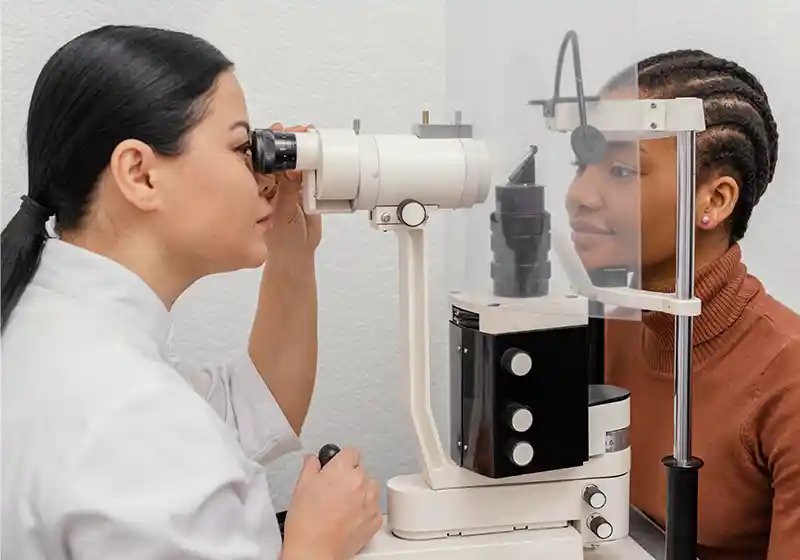
What Are Eye Floaters?
What are eye floaters and why am I seeing them?
These little specks that appear to float around in front of our eyes are eye floaters – and they’re actually shadows! They’re usually caused by age-related changes that happen as the vitreous (a jelly-like substance) inside your eyes liquifies and contracts. Little clumps of collagen fibers form within the vitreous and cast tiny shadows on your retina.
You might notice floaters more when you look at something bright, like the sky. Large floaters can interfere with your vision significantly. You can ignore them and learn to live with them as they don’t often require treatment. However, eye floaters can be indicative of more serious issues.
Symptoms of Eye Floaters
The symptoms include little things floating around in your eye. If you notice the following in your vision, it could be eye floaters:
- Black or gray dots
- Small specks
- Squiggly lines
- Threadlike strands
- Cobwebs
- Rings
Once you get them, they don’t really ever go away. But, you will come to notice them less.
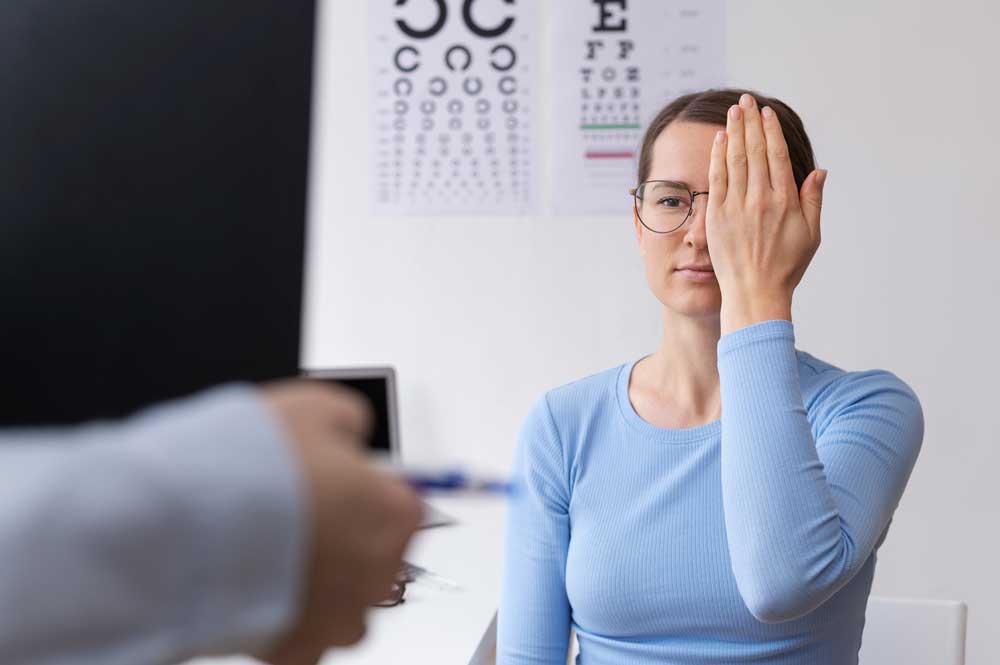
When to See an Eye Doctor
While eye floaters are usually not cause for concern, there are some health-related problems that could be causing them. They can result from eye disease, eye injury, diabetic retinopathy, eye tumors, detached retina, torn retina, and a few other eye disorders.
Book an appointment with your eye doctor if you experience the following:
- A lot more floaters than normal
- Sudden appearance of new floaters
- Flashes of light with the floaters
- A gray curtain or blurry area blocking your vision
- Darkness on one or both sides of your vision (peripheral vision loss)
Risk Factors
Certain factors increase your risk of having eye floaters, including:
- You’re over 50 years old
- You’re nearsighted
- You have an eye injury
- You have cataract surgery complications
- You have diabetes
- You experience eye inflammation
Prevention
It’s not possible to prevent them completely, but there are measures you can take to keep your eyes healthy. These include:
- Quit smoking
- Eat a nutritious diet
- Maintain a healthy weight
- Wear sunglasses outside
- Use protective eyewear
- Rest your eyes regularly

Treatment
In most cases, eye floaters don’t need to be treated as they usually don’t pose a serious threat to your sight. Normally, they settle at the bottom of the eye, below the field of vision. Many floaters become less noticeable over a few months as they settle and the brain learns to ignore them. If they become so dense that they disrupt your vision, your doctor might recommend a vitrectomy, a surgery to remove the vitreous gel causing the floater.
If you’re seeing spots and are concerned, book an appointment to see an optometrist.
Hakim Optical has provided Canadians with quality corrective lenses at a value that can’t be beat for over 55 years. Our knowledgeable staff and optometrists are here to help you find an eyewear solution tailored specifically to you.
The American Academy of Ophthalmology explains floaters and flashes.
Frequently Asked Questions
Can eye floaters go away?
Floaters rarely disappear completely, but most become much less noticeable over time.
Can stress cause eye floaters?
Stress does not cause floaters, but people often notice them more when they are tired or focused on them.