 Proudly Canadian Since 1967

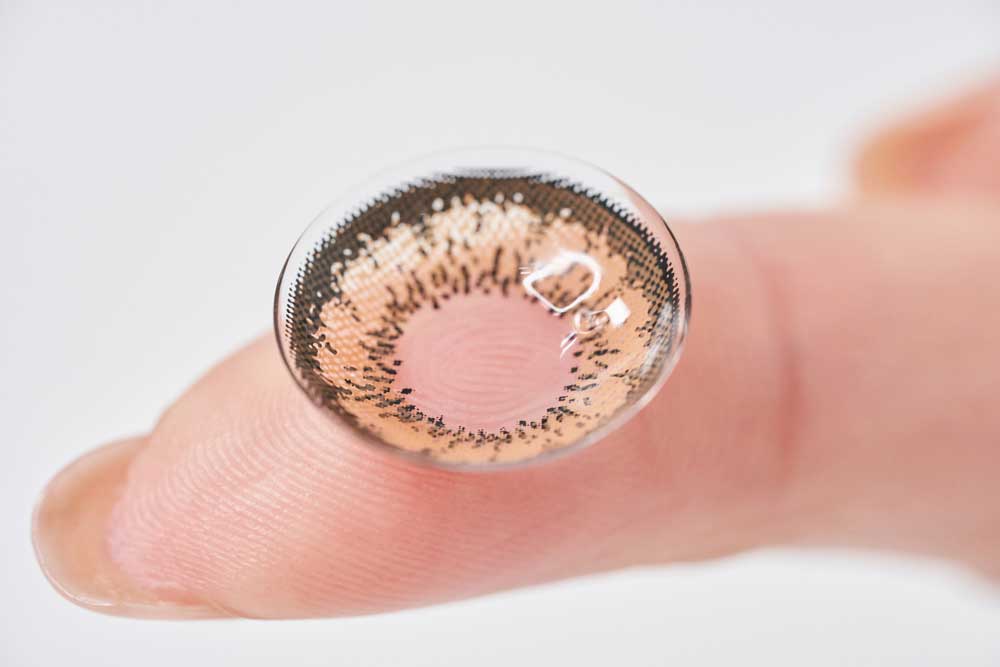
Vision at Multiple Distances
Multifocal Contact Lenses
Multifocal contact lenses are designed to support near, intermediate and distance vision within one lens. They are commonly considered when vision needs span multiple distances, including presbyopia. Comfort and visual performance vary by person, so a professional contact lens fitting and follow-up can help identify an appropriate lens option.
Vision Support at More Than One Distance
Multifocal contact lenses are designed to support near, intermediate and distance vision in one lens. Comfort and visual results vary, so an individualized fitting and follow-up may be needed to find an appropriate option.
The lens design, prescription and visual balance that work well for one person may not be right for another. Your eye-care professional can assess your vision needs and help determine which available multifocal options may be suitable.
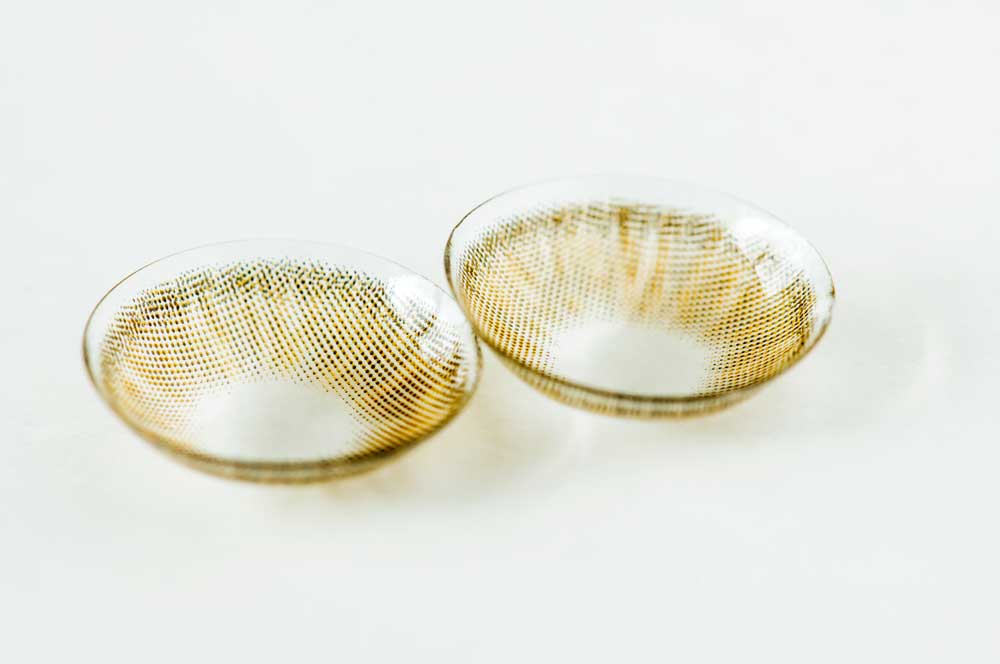
What Multifocal Contact Lenses Are Designed to Do
Multifocal lenses incorporate more than one focusing power so your visual system can work across different viewing distances.
Near Vision
Multifocal designs can support close tasks such as reading and viewing a phone or other nearby objects.
Intermediate Vision
Intermediate vision can be important for activities such as working at a computer or viewing objects at arm’s length.
Distance Vision
The lens also includes correction intended to support vision at farther viewing distances according to your prescription.
One Option When Near Vision Becomes More Difficult
Presbyopia is an age-related change that makes focusing on nearby objects more difficult. Multifocal contact lenses are one of several options that may be considered for people whose vision needs include more than one distance.
Other approaches can include multifocal eyeglasses, reading glasses over contact lenses or different contact lens strategies. The appropriate option depends on your prescription and individual visual needs.
Learn About Adult and Senior Eye Health →
A Multifocal Contact Lens Fitting Is Individual
Choosing multifocal contact lenses involves more than matching the numbers on an eyeglass prescription. Contact lenses need to be professionally prescribed and fitted for the eye.
Your eye-care professional can consider your prescription, eye measurements, near and distance vision needs, wearing habits and the visual demands of your everyday routine.
Follow-up can also be important. Comfort and visual performance may need to be reviewed after you begin wearing the lenses, and the lens design or prescription may need refinement based on your response.
Tell Your Eye-Care Professional How You Use Your Vision
Multifocal contact lens selection can depend on the distances and activities that matter most in your everyday life.
During a fitting, it can help to discuss:
- Reading and close work: how much time you spend reading, using a phone or doing detailed near tasks
- Computer use: how often you work at intermediate viewing distances
- Distance needs: activities where clear distance vision is especially important
- Contact lens routine: whether you plan to wear lenses every day or only for selected activities
- Previous contact lens experience: any comfort, handling or vision concerns you have experienced before
Visual Results Can Vary From Person to Person
Multifocal contact lenses involve balancing vision across multiple distances. The result that feels natural and useful for one wearer may differ from another person’s experience.
An individualized fitting and follow-up can help determine whether the visual balance is appropriate for your needs or whether another lens or correction strategy should be considered.
Discuss Multifocal Contact Lens Options →Safe Wear Matters With Every Contact Lens Type
Multifocal contact lenses require the same attention to professional fitting, hygiene and wearing instructions as other prescription contact lenses.
Follow the Wearing Schedule
Wear and replace your lenses according to the schedule prescribed for the specific product you use.
Handle Lenses With Clean Hands
Wash and thoroughly dry your hands before inserting, removing or handling contact lenses.
Follow Product-Specific Care Instructions
If your lenses are reusable, clean, disinfect and store them according to the instructions provided for your lenses and care system.
Do Not Ignore Eye Pain or Unexpected Vision Changes
If contact lenses cause eye pain, persistent irritation or unexpected blurred or hazy vision, remove them.
Seek advice from an eye-care professional if symptoms continue, worsen or are concerning before resuming contact lens wear.
Review Contact Lens Wear and Care →Explore Other Contact Lens Types
Multifocal design is one consideration when choosing contacts. Replacement schedule, prescription needs, astigmatism and professional fitting can also influence which lens type is appropriate.
Daily Contact Lenses
Use a fresh pair for each wearing day and discard the lenses after use.
Monthly Contact Lenses
Explore reusable lenses that follow a prescribed replacement and care schedule.
Toric Lenses for Astigmatism
Learn about contact lens options designed for prescriptions that include astigmatism correction.
Contact Lens Guide
Compare contact lens types, fitting considerations and important wear-and-care information.
Get Personalized Help Choosing Multifocal Contacts
Visit a Hakim Optical location to discuss your prescription, visual needs and the multifocal contact lens options available for your fitting.
Find a Hakim Optical Store