
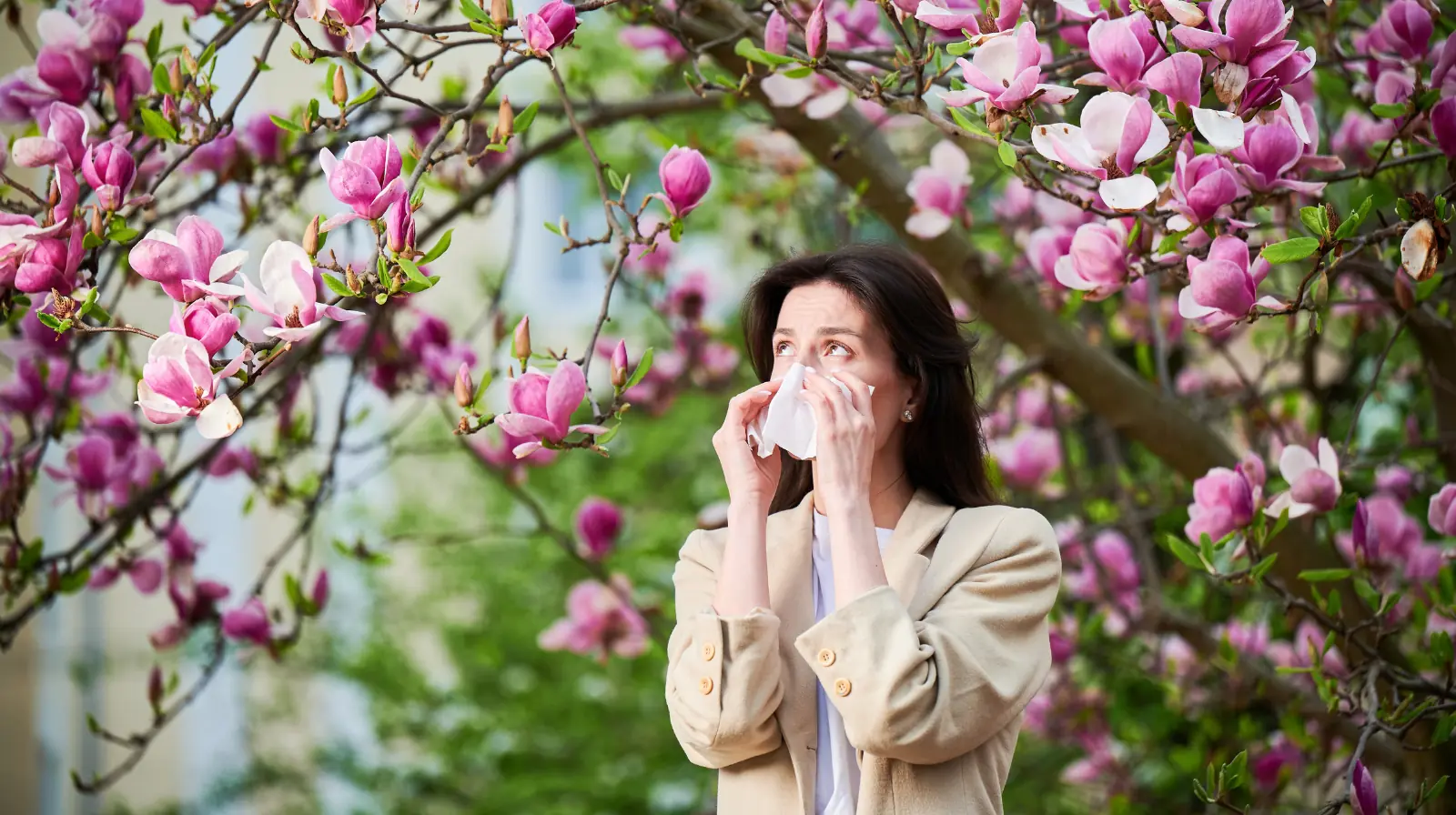
Spring is a welcome change. The days get longer, the weather softens, and people finally start spending more time outside. The downside is that allergy season tends to arrive at the same time. If your eyes start feeling itchy, watery, or irritated every spring, you are definitely not alone. For people who wear contact lenses, that discomfort can feel even more noticeable.
The good news is that spring allergies do not automatically mean you have to stop wearing contacts altogether. In many cases, a few smart adjustments can make a big difference. The key is knowing when the irritation is mild and manageable, and when it is time to step back and get your eyes checked.
Why Spring Can Be Tough On Contact Lens Wearers
Seasonal allergies can make your eyes feel irritated even before you put your lenses in. Once contacts are added to the mix, some people notice that their eyes feel drier, grittier, or more sensitive than usual. The Canadian Association of Optometrists’ overview of seasonal allergies explains that allergy season can bring on common symptoms like itchy, watery, and red eyes, which is exactly why contact lens wearers often feel the season more intensely.
This is also where day-to-day habits matter. Hakim’s own Contact Lens Guide points out that wearing contacts comfortably starts with the right fit, the right routine, and proper care. If your eyes are already irritated by spring allergens, even a small lapse in hygiene or overwearing your lenses can make everything feel worse.
How To Tell The Difference Between Allergies And A Lens Problem
One of the most frustrating parts of spring eye irritation is that not every symptom has the same cause. Sometimes it is allergies. Sometimes it is dryness. Sometimes the lenses themselves are overdue for replacement, or they are simply not the best match for your eyes anymore.
That is why Hakim’s blog Why Do My Contacts Hurt? is a useful read. It highlights a few of the most common reasons contacts become uncomfortable, including dry eyes, poor fit, worn-out lenses, and allergic reactions. That is an important point to weave into this topic because spring discomfort is not always caused by pollen alone. Sometimes the season reveals an issue that was already there.
A simple way to think about it is this: if your eyes only seem to flare up during allergy season, allergies may be the main issue. If your contacts regularly feel uncomfortable no matter the season, it may be time to reassess the lenses themselves.
Small Changes That Can Make Contacts More Comfortable
If you usually do well with contacts and spring is the only time they become annoying, a few small changes may help. Start with the basics. Replace lenses on schedule. Do not try to stretch the life of a pair that already feels off. Wash your hands carefully before handling them. Keep your case clean if you are not wearing dailies.
Hakim’s post on Tips for Adding Contact Lenses to Your Routine makes a useful point that still applies here: good habits make contacts easier to wear. That may sound simple, but during allergy season, simple habits are often the difference between comfortable wear and a long day of irritation.
It can also help to give your eyes a break. Some people find it easier to switch back to glasses on high-pollen days, especially if they know they will be outside for long stretches. That does not mean giving up on contacts. It just means being realistic about what feels best on a given day.
When It Is Better To Reach For Glasses
There is no prize for forcing yourself through a day in uncomfortable lenses. If your eyes are red, itchy, watering constantly, or you feel like you are blinking every few seconds just to get comfortable, glasses may be the better choice that day.
This is one reason Hakim’s wider product mix is helpful. If you want a local backup option for those heavier allergy days, the contact lenses Toronto section on Hakim’s Toronto page shows the brand and lens variety available at local stores, which makes it easier to compare what might suit your routine better.
A good pair of glasses can take the pressure off during flare-ups and give your eyes time to settle. For many people, the best spring routine is not contacts versus glasses. It is having both.
When To Book An Eye Exam
There is a difference between mild seasonal irritation and a problem that needs professional attention. If your eyes stay uncomfortable even after removing your contacts, if your vision seems blurry, or if the irritation keeps coming back, it is worth taking the next step and booking an eye exam.
Hakim’s eye exam page makes the case well. A full exam is not just about updating a prescription. It can also help identify eye health issues, assess how your eyes are functioning, and determine whether your current lenses still make sense for you. During spring, that kind of clarity can save a lot of frustration.
The Canadian Association of Optometrists also notes that treatments for seasonal allergy symptoms can include artificial tears, antihistamine options, and cold compresses. If symptoms are hanging on, it is smarter to get proper advice than to guess your way through it.
See Spring Clearly, Not Uncomfortably
Spring in Canada should feel refreshing, not irritating. If allergies are making your eyes miserable, it does not necessarily mean contact lenses are off the table. It usually means your eyes need a little more attention, a better routine, or a better plan for the season.
For some people, that may mean switching to glasses on rougher days. For others, it may mean rethinking lens type, replacement schedule, or overall eye care habits. Either way, the goal is the same: clearer, more comfortable vision that actually fits your day.
If spring has made your usual lenses feel less comfortable than they used to, now is a good time to visit Hakim, ask questions, and make sure your eyes are getting what they need.
FAQs
Can I still wear contact lenses during allergy season?
Yes, many people can. But if your eyes are especially itchy, watery, or irritated, you may find glasses more comfortable on certain days.
Why do my contacts feel worse in the Spring?
Seasonal allergies can already make eyes feel irritated. When contacts are added, dryness and discomfort can become more noticeable.
Should I stop wearing contacts if my eyes are red?
Not always, but it is a sign to be careful. If redness or discomfort continues after removing your lenses, it is a good idea to have your eyes checked.
What helps soothe allergy eyes?
Canadian optometry guidance suggests options such as artificial tears, antihistamine treatments, and cold compresses, depending on the cause and severity of symptoms.