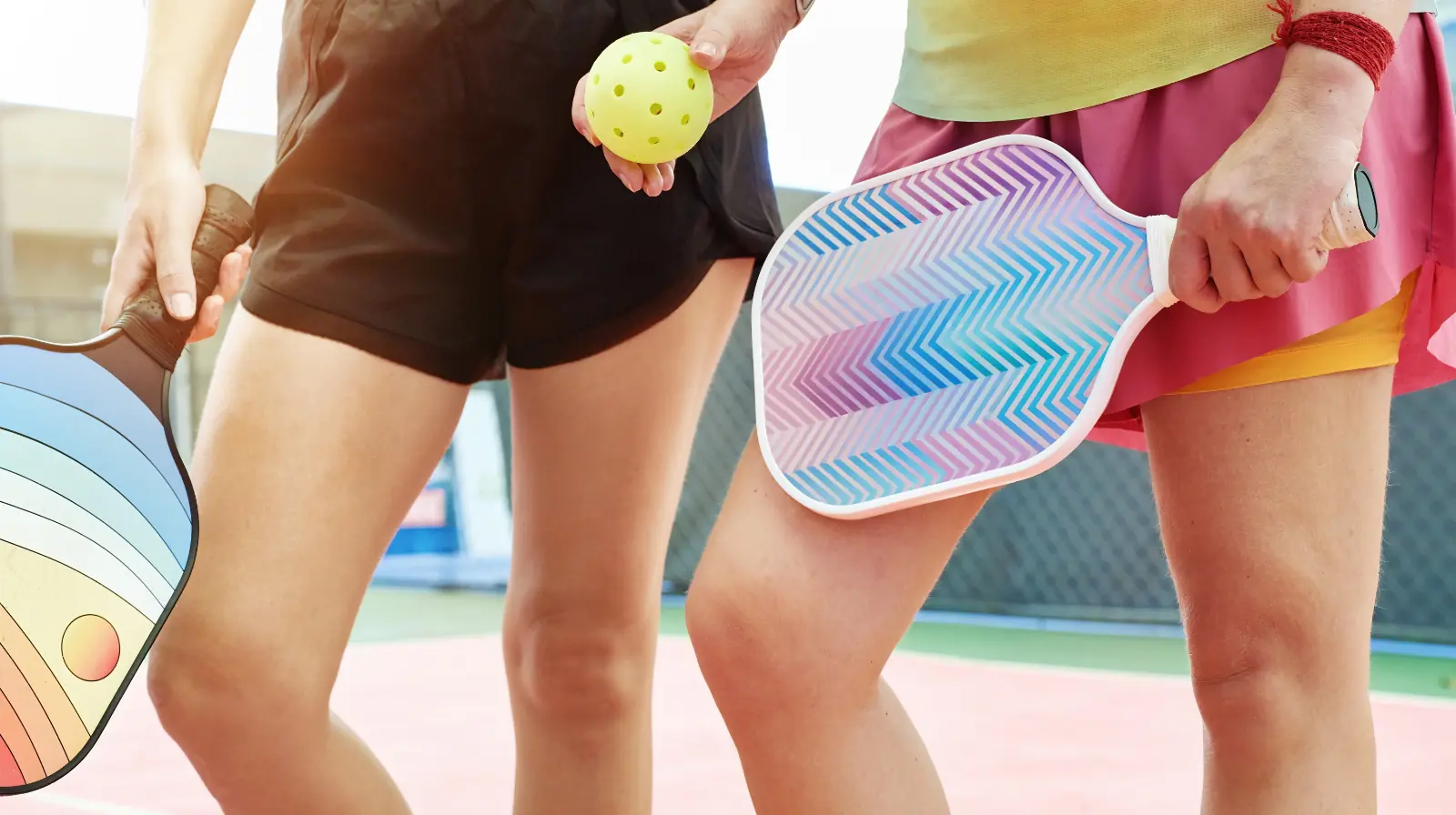
Pickleball is fun because it’s fast. That’s also why eye injuries can easily happen. The ball is small, reaction times are short, and shots come from close range. Add a racquet, a partner, and a busy court, and your eyes are suddenly in the line of fire.
Most players are not looking for bulky gear. They want something comfortable, clear, and realistic to wear every time. The good news is that the right protective eyewear can be surprisingly lightweight and easy to get used to, especially when it’s fitted properly and matched to your vision needs. Hakim Optical carries both prescription and non-prescription protective options, including safety glasses and goggles.
Why eye injuries happen in pickleball, tennis, and squash
In racquet sports, the most common “how did that happen?” moment is a deflection. A ball clips the edge of a paddle, ricochets off a racquet frame, or changes direction after hitting the net cord. In doubles, you also have bodies, paddles, and follow-through swings happening in tight spaces. Even if you have great reflexes, your eyes are not meant to absorb impact.
Canadian eye specialists regularly warn that sports injuries can range from surface abrasions and bruising to much more serious damage, and that protective eyewear helps reduce that risk.
That matters because many eye injuries are preventable, but only if you make protection part of your gear, the same way you treat proper shoes or a good grip.
Regular glasses are not sports protection
A lot of people assume their everyday glasses are “good enough” because they create a barrier. The problem is impact resistance and coverage. Regular frames are built for daily wear, not a fast ball at close range. They also tend to leave gaps at the sides and above the brow where a deflected ball can still reach the eye area.
If you already wear prescription lenses, you do not have to layer sports protection over your regular glasses. Hakim Optical offers prescription protective eyewear options so you can see clearly and protect your eyes at the same time.
What protective eyewear is realistic for adults to wear
The “best” protective eyewear is the pair you will actually put on every time you play. For most pickleball and racquet-sport players, that comes down to three things: comfort, clarity, and confidence that it will stay put.
Look for a wrap-style or sport-goggle style that sits securely, with enough coverage to protect from angled deflections. Polycarbonate lenses are a popular choice for sports because they’re light and impact-resistant. You can also choose prescription or non-prescription options depending on your needs, and get advice on what makes the most sense for your level of play.
If you play outdoors, glare is another reason people leave eyewear in the bag. The solution is not “tough it out.” It’s choosing lenses that match the conditions. Our guide on choosing sport-appropriate lenses highlights options like polarized lenses and coatings that can improve comfort and visibility when the light is harsh.
Prescription, non-prescription, or contacts: which is best for your game?
Some players prefer contact lenses because they give a wide field of view and do not fog. Others find contacts irritate their eyes during physical activity, especially in dry indoor air or windy outdoor conditions. Contacts, protective prescription eyewear, and sport-friendly frames can all be viable choices, depending on the activity and personal comfort.
The key point is this: even if you wear contacts, you can still benefit from protective sports eyewear on top, because the protection is about impact and coverage, not just clear vision.
If you’re unsure what’s realistic for your routine, start with comfort. A properly fitted pair will feel stable, not heavy, and it shouldn’t pinch at the temples or slide when you sweat.
Making protective eyewear easier to stick with
Most “I tried sports goggles and hated them” stories come down to fit, fogging, or distortion.
Fit is fixable. A good optician can help you find a frame shape that suits your face, sits securely, and gives you a clear viewing area when you’re tracking a fast-moving ball. If fogging is the issue, the right frame ventilation and lens choices make a difference, and sometimes small adjustments change everything.
Clarity matters, too. If you play at night or indoors with bright overhead lights, lens coatings can reduce distracting reflections and help vision feel cleaner during quick transitions. Hakim Optical’s lens coating guidance explains how anti-reflective options reduce glare and reflections for clearer viewing.
Take advantage of our Spring Sale
One last reason to handle it now: Hakim Optical’s Spring Sale is on, with two pairs of eyewear starting at only $99, which makes it easy to pick a dedicated pair for the court and still have an everyday backup. If you want help choosing a frame that stays put through quick movements and longer rallies, find your nearest Hakim Optical location and get fitted in person.
FAQs
Do I really need protective eyewear for pickleball?
If you play regularly, it’s worth it. The ball is small and fast, and deflections happen at close range. Canadian ophthalmologists emphasize that protective eyewear can reduce the risk of sports-related eye injuries.
Are my regular glasses enough protection?
Not reliably. Everyday glasses are not designed for impact, and they often don’t provide full coverage around the eyes. Sports protective eyewear is built to handle contact and stay put during movement.
Can I wear contacts and still use protective eyewear?
Yes. Contacts can be a good option for many athletes, and protective eyewear can still be worn for impact protection. Hakim Optical notes that contacts and protective prescription eyewear can both be viable, depending on the sport and your preferences.
What’s the best eyewear choice if I play outdoors?
Comfort and coverage come first, then consider lens options that manage glare and changing light. Hakim Optical’s sports lens guidance highlights tints and coatings that help with bright outdoor conditions.